I Will See You Again When I’m Twelve
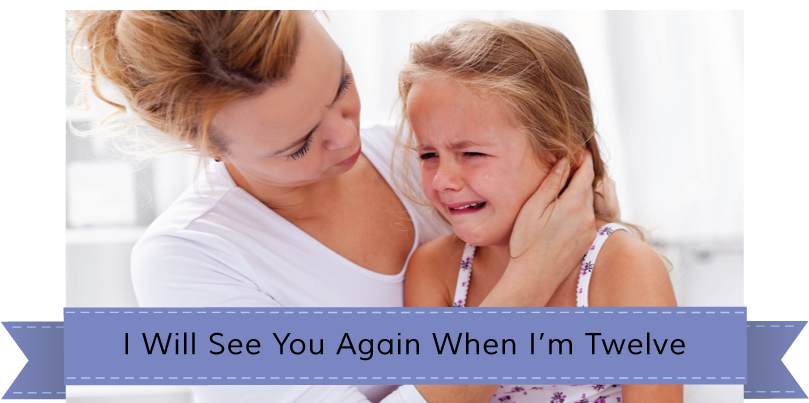
There is a story of a mother who needed surgery that required a hospital stay of 7–10 days. The hospital had a strict visiting policy that would not allow anyone under 12 to visit. This mom had two daughters’ ages 11 and 6. A few days after the surgery, she received a phone call from her daughters. The littlest one cried uncontrollably the entire time she was on the phone. When it was time to say goodbye the little one cried harder and said, “I love you mommy and I will see you again when I’m twelve.”
This little girl’s experience warms the heart and touches us deeply. Was she reacting in an irrational way? Of course not! She was reacting to her misunderstanding of her separation from her mother. Her perception of the message given her was that she wouldn’t be able to visit her mother again until she was twelve years old. When her mother realized what the problem really was, she was able to resolve the situation and prevent further pain to her daughter.
As this example demonstrates, effective communication is age specific. For example, the eleven-year-old understood the hospital rule and she knew that her mother would be home in a few days. The younger daughter on the other hand was confused and full of anguish. She didn’t understand why she couldn’t see her mother until she was twelve.
These were good parents who assumed their daughter received the correct message. Effective communication involves both sending and receiving clear and accurate messages. This requires active interaction between the parent and the child.
When the little six-year-old daughter understood that she didn’t have to wait six years to see her mom again the problem was resolved and she was happy. All of this angst could have been prevented by better communication.
Share This Article:[sgmb id=1]
