Life in the Snow
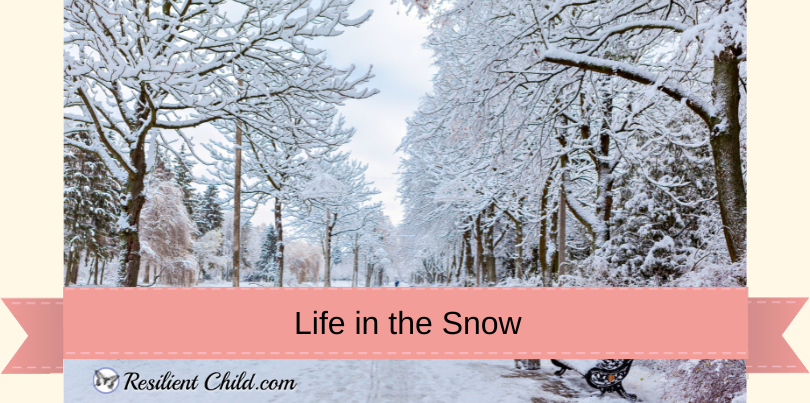
My father grew up on a farm in Afton, Wyoming where it was not uncommon for the temperature to reach 30 to 40 degrees below zero during the winter. In fact, it would get so cold that a sneeze would freeze inside a person’s nose and stay there until the spring thaw.
When Dad was a senior in high school, he decided to spend the winter sleeping outside, in his backyard in a tent. He quickly learned two important lessons from this adventure: 1) his pants had to be folded and placed inside the covers or they would freeze; 2) if he forgot to put his pants in his bed, he had to hit them against the tent pole before putting them on to go milk the cows.
I have often wondered why snow has to be cold. Think about it! If snow were warm Dad wouldn’t have frozen his nose, he could have put on warm pants, and he could have started milking the cows earlier and it would have been a lot more comfortable.
If snow were warm, we wouldn’t have to go to Hawaii or Southern California or Arizona or Florida to lie on the beach in the winter. If snow were forty or fifty degrees warmer, we could go to the mountains, have a picnic, lie on the snow, and get a good suntan without having to pack and spend a lot of money and time traveling to faraway places.
If snow were warmer, building a snowman with our children or grandkids could be done without wearing gloves, boots, a snowsuit, or a hat. We could throw snowballs and wash the faces of those little girls and boys who play tricks on Grandpa. If it were only warmer in the snowfields of the world, life would be much easier, less stressful, and certainly warmer.
Unfortunately, this beautiful idea is only a figment of one of my dreams and is no more likely to come to fruition than building a snowman that throws snowballs. Some things are just impractical and unrealistic, but this doesn’t mean we should stop dreaming.
Dreaming is really the first step in making changes and improvements in the world as well as in our own life. Change only becomes a reality when we take our dreams to the next level and exert the effort to make them happen.
We should never stop dreaming because dreaming gives us hope for our future. Hope for a future that involves developing a plan to face our challenges, exerting the effort to implement the plan, and conquering the discouragement and uncertainty about our ability to succeed. If we do this, we start our journey to resilience.
Our children dream dreams of being normal, but what is normal? For me, living with Tourette syndrome is normal and for others something else is normal. We should never discourage our kids from dreaming because we don’t want them to stop trying. Who knows, they may be able to accomplish their dreams and surprise everyone. While a physical body, mental health, or other challenge may limit some people, often the greatest limitations come from self-doubt and lack of effort.
Let’s help our children to dare to dream! Dare to hope! Dare to plan! Dare to work! Dare to implement! Celebrate reaching their dream!
Final piece of advice! Snow in Hawaii will never happen, but our personal dreams can come true.
Happy Failing Forward,
Calvert Cazier
PS Want to help your kids have less stress and more success at home and school? CLICK HERE to get a copy of our book, The Resiliency Toolkit: A Busy Parent’s Guide to Raising Happy, Confident, Successful Children.
Share This Article:[sgmb id=1]
